Youth issues in Parliament, 50 years after Soweto

ParliMeter is a parliamentary information, accountability and transparency platform that advocates for improved quality and access to parliamentary data.
50 years on from the Soweto Uprising, how is Parliament addressing matters affecting the youth of South Africa today?
In 2025, ParliMeter published a Youth in Parliament Report, highlighting limited youth representation in Parliament as only 8.5% of the seats in the National Assembly (NA) are held by Members of Parliament (MPs) between the ages of 18 and 34. Today, we’re taking a look at the issues that matter to young people in South Africa today, and which of those issues are being addressed in Parliament. Learn more about portfolio committees’ recent activity on everything from student debt to unemployment, informed by statistics from the ParliMeter dashboard.
History and context
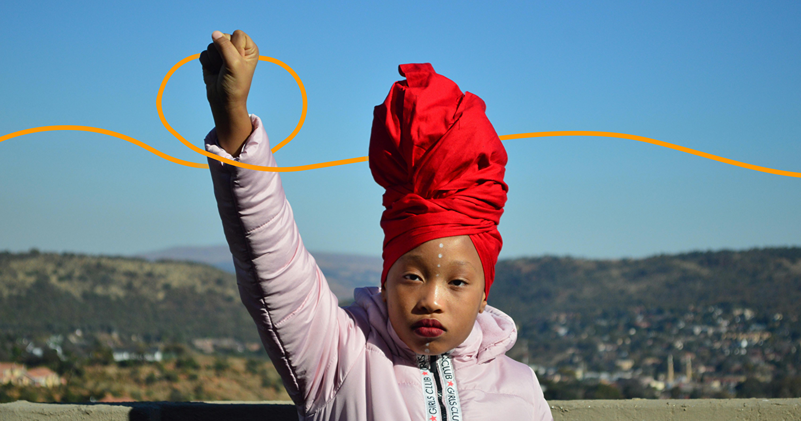
Youth Day 2026 marks the 50th commemoration of the Soweto Youth Uprising and the sacrifices made by student activists who marched in protest of the apartheid regime and the implementation of Afrikaans as the mandatory language of instruction in schools.
The South African Students’ Movement, supported by the Black Consciousness Movement, played a key role in organising the protest that occurred on 16 June 1976, which ultimately informed several sections of the Constitution of the Republic of South Africa, including:
- Section 29, which enshrines South African citizens' right to basic education in any official language of their choice; as well as
- Sections 30 and 31, which ensures the recognition of 12 official languages in South Africa.
...the anniversary is an opportunity to honour the legacy of youth leadership while asking what the next 50 years should look like.
“The issues facing young people today may look different to those of 1976, but the need for courage, participation and collective action remains just as important,” says Lisa Adams, CEO of Citizen Code and Founder of the 2026 State of the Youth Address (SOYA), a youth-driven, mock-Parliament event that aims to create a space for civic dialogue and youth participation. “For us, the anniversary is an opportunity to honour the legacy of youth leadership while asking what the next 50 years should look like.”
Youth issues today
As an annual public holiday, Youth Day calls us to reflect on the ways in which youth activism in South Africa has shaped our Constitution, Parliament and public policy throughout history, but also to consider which current matters are being emphasised by the youth themselves.
Youth organisers have identified several subjects to be presented by “Ministers” at SOYA 2026, including technology and artificial intelligence, digital health and safety, menstruation, employment, masculinity, mental wellbeing, gender-based violence and femicide, as well as constitutional rights and accountability.
[These topics] have been informed by pre-dialogues, community engagement, partner organisations and the lived realities of young South Africans.
“[...] These topics were not selected in isolation,” says Adams. “They have been informed by pre-dialogues, community engagement, partner organisations and the lived realities of young South Africans. Together, they create a broader picture of youth development.”
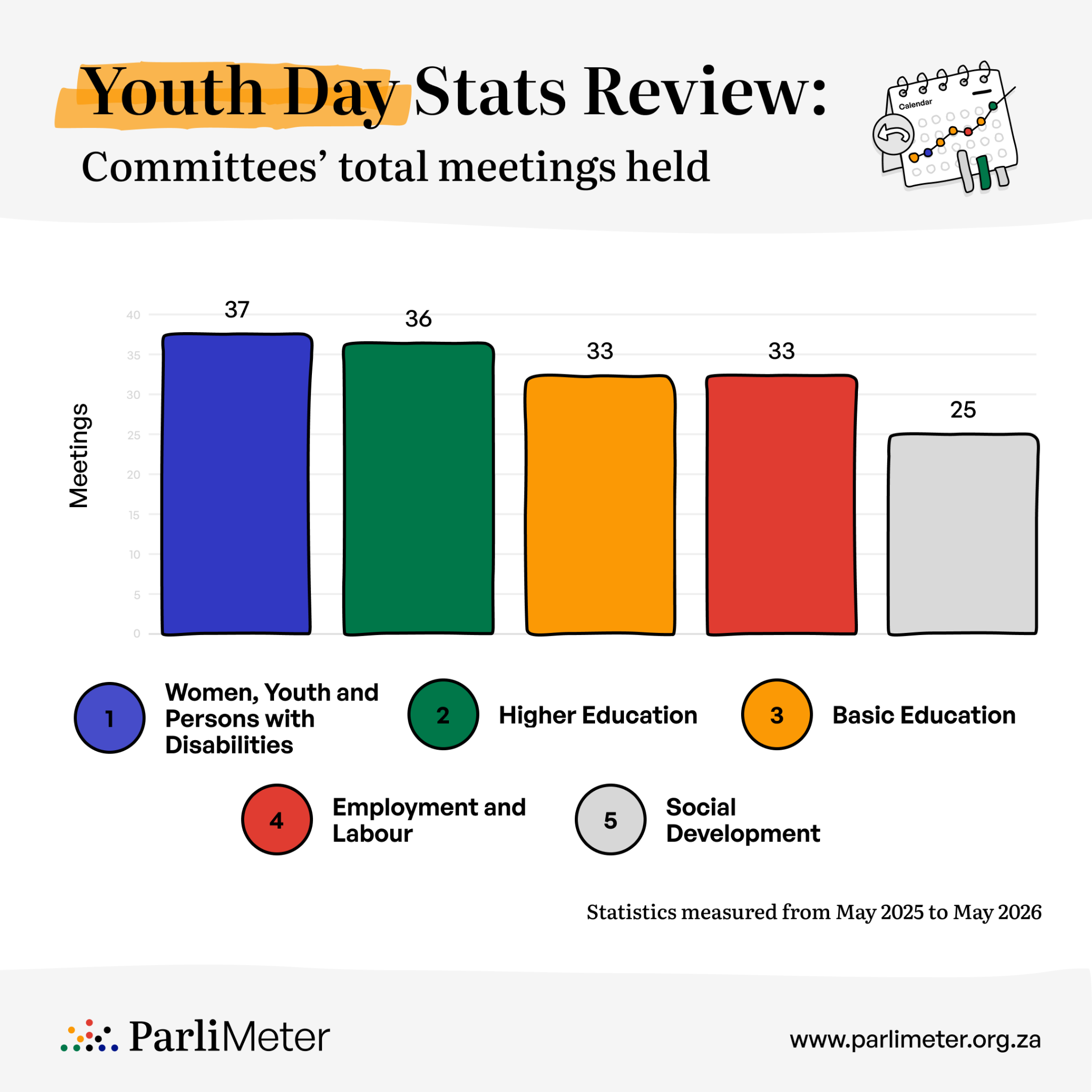
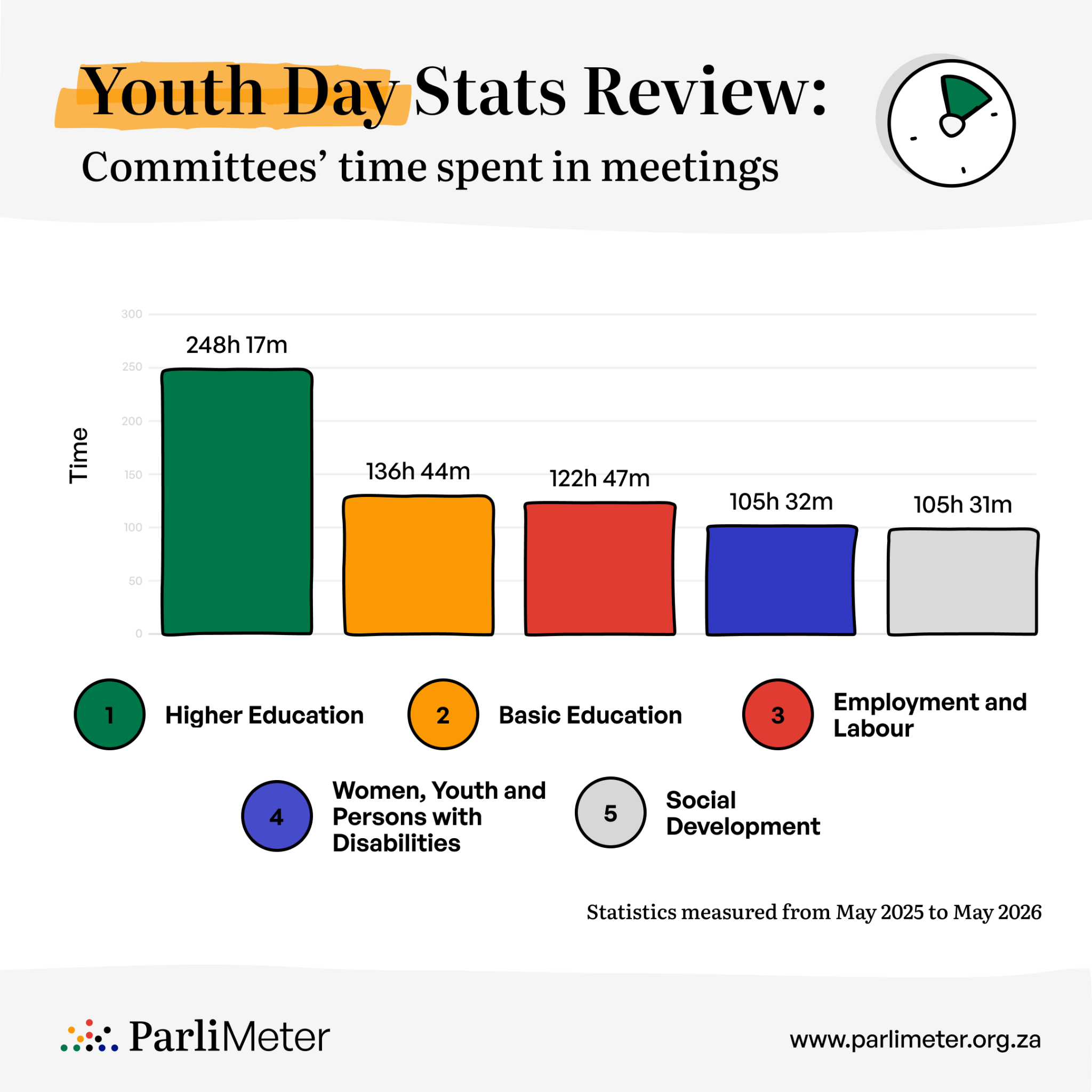
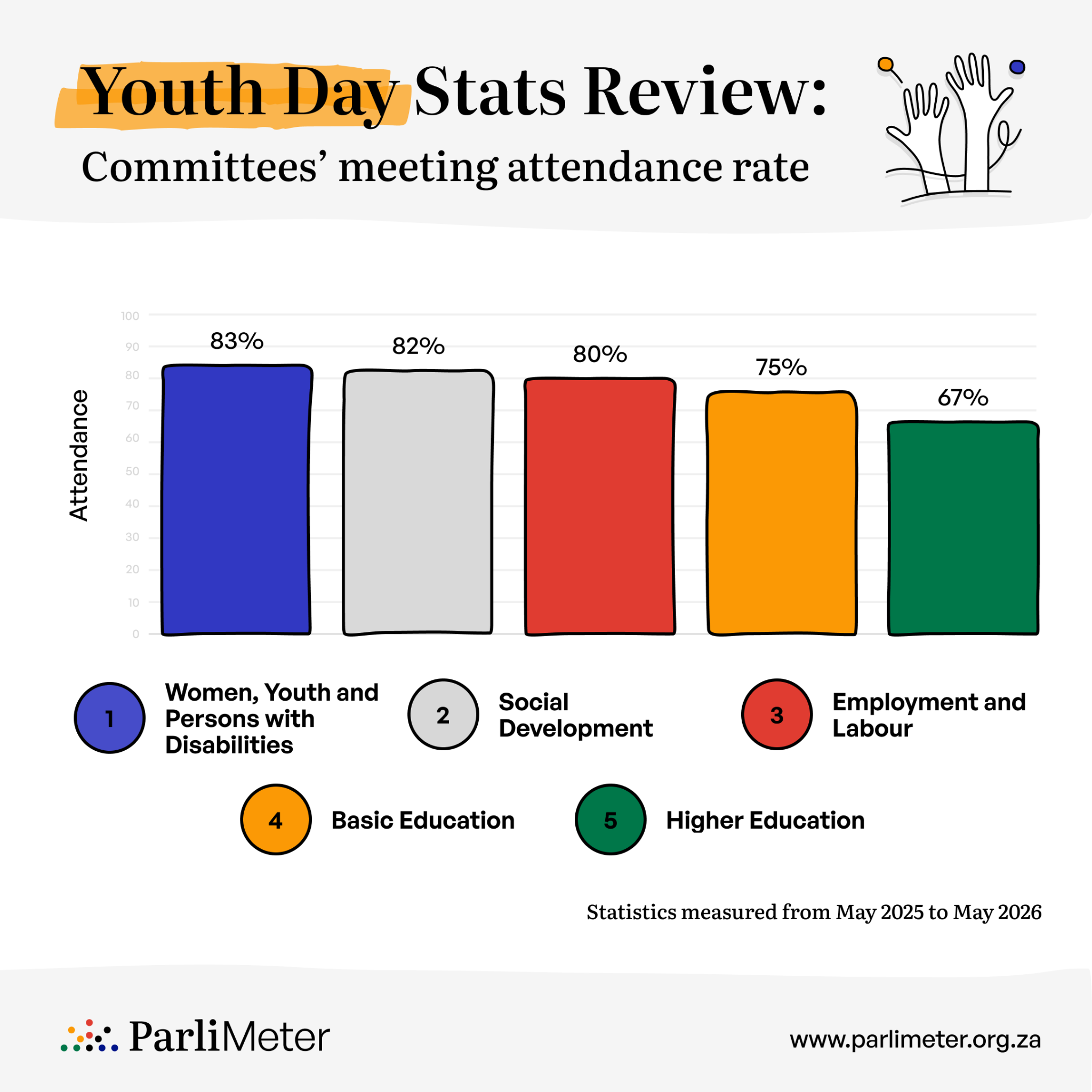
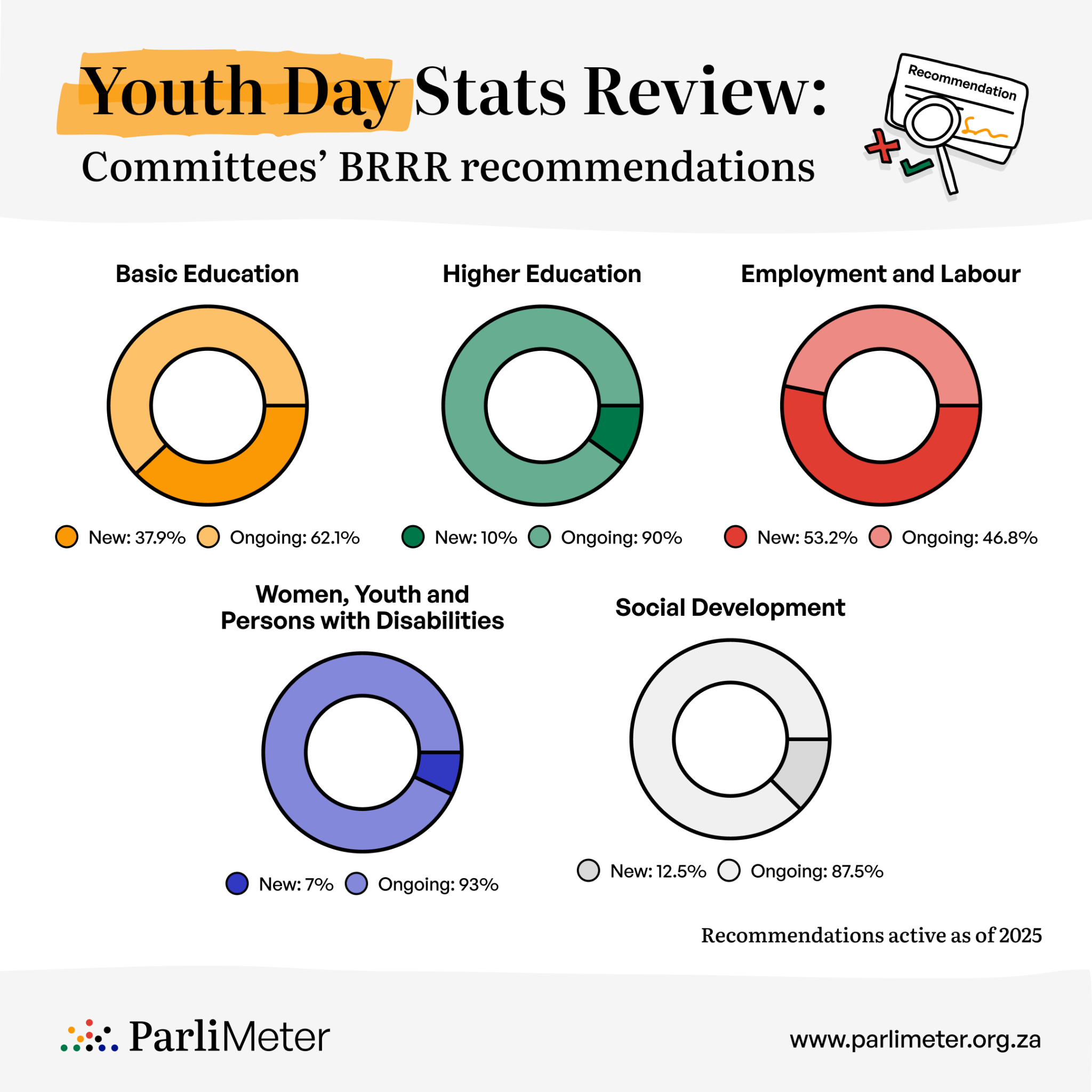
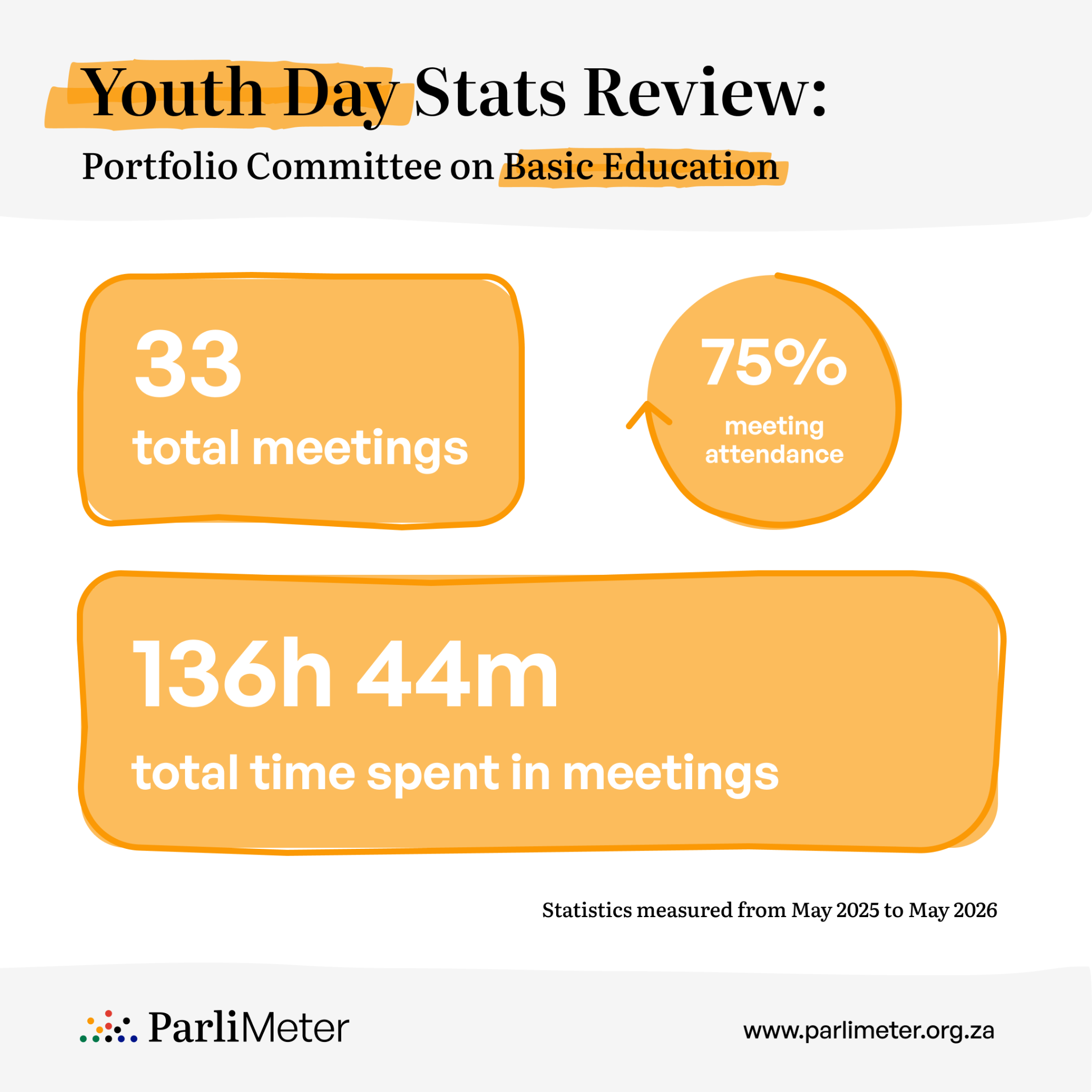
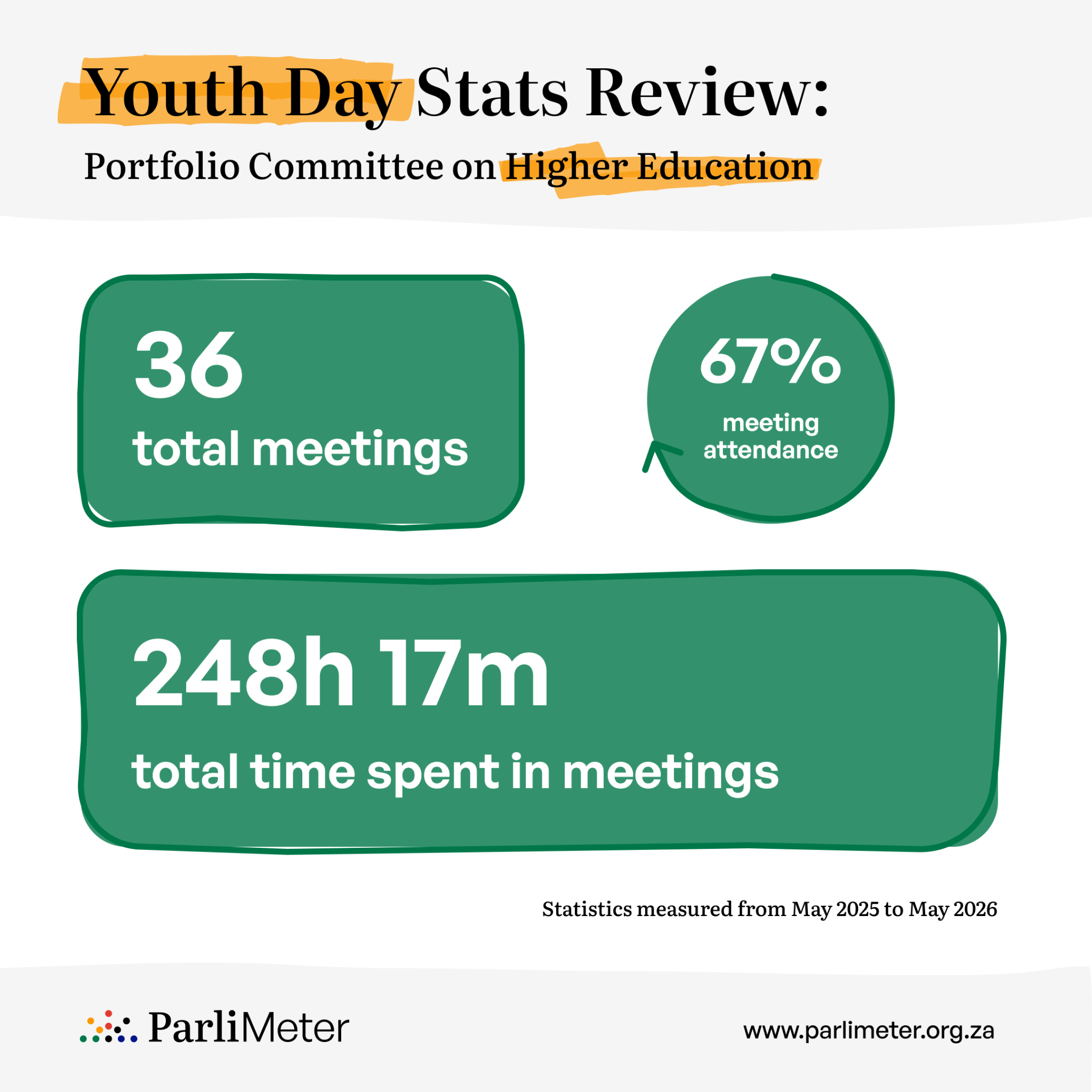
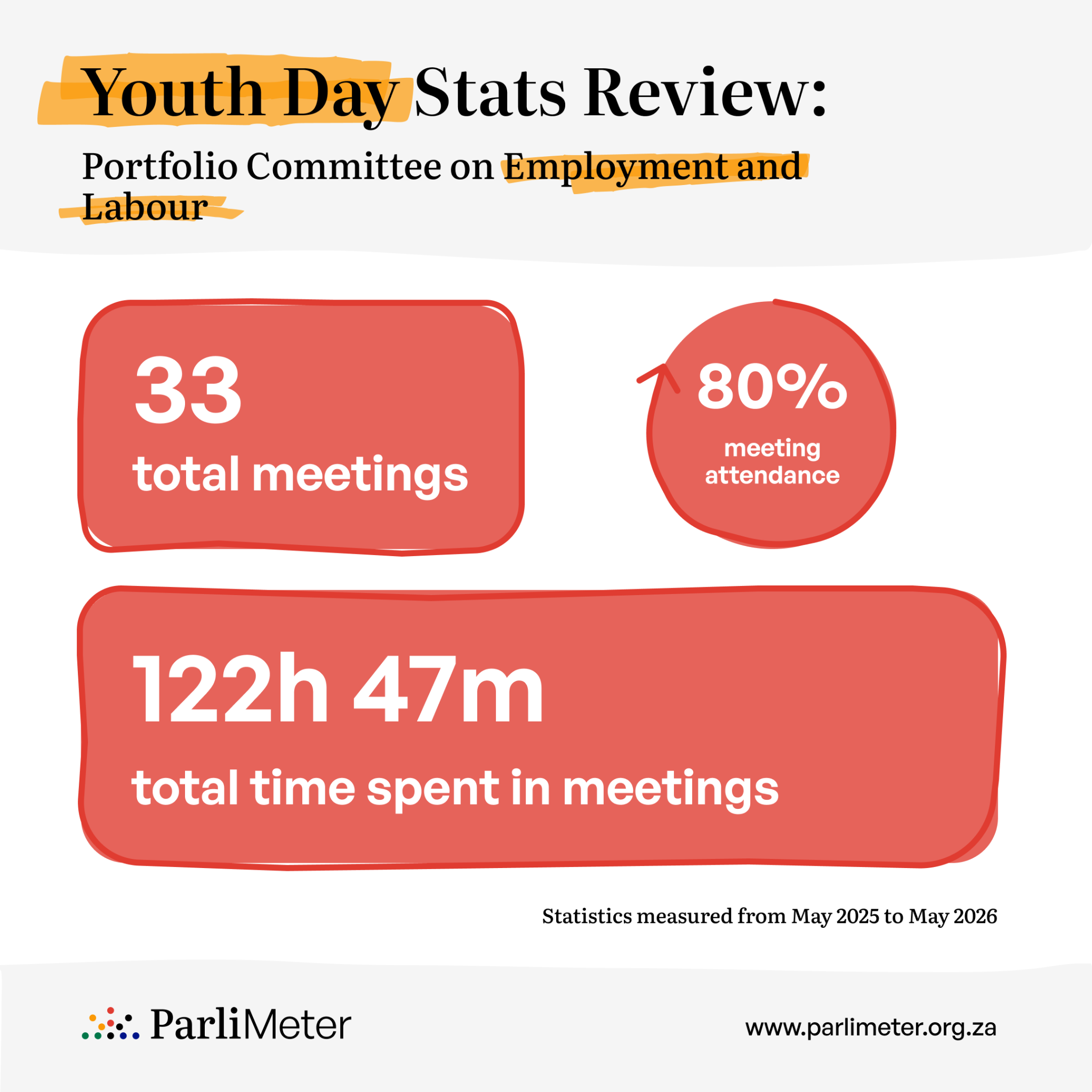
The data we’re looking at below – meetings held, time spent in meetings, attendance rates and departmental follow-through on Budgetary Review and Recommendations Report (BRRR) recommendations – speak to which committees are the most active in prioritising the youth-related matters they’re dealing with. In addition, metrics like time spent in meetings and attendance rates can reflect the depth of engagement that occurs within meetings.
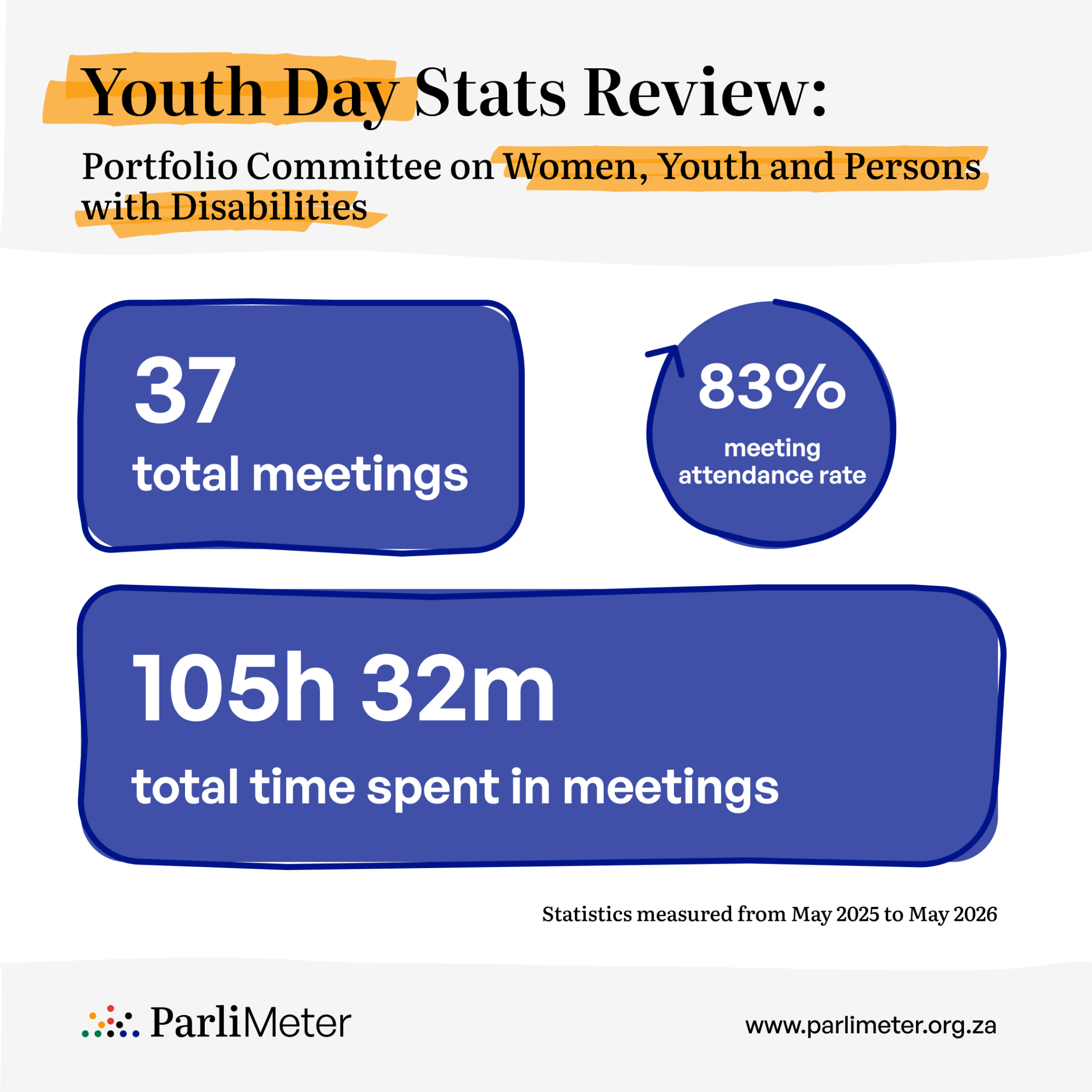
For example, when comparing the Portfolio Committee on Higher Education to the Portfolio Committee on Women, Youth and Persons with Disabilities, it becomes clear that they had a similar number of meetings scheduled within the given timeframe. However, it is then important to note that the Committee on Higher Education spent about 143 more hours engaged in meetings than the Committee on Women, Youth and Persons with Disabilities.
By tracking a variety of statistics and following the recent activity of key parliamentary committees, we can gain a clearer picture of which youth matters are being prioritised on the parliamentary agenda.
Learner exclusion in school placement
The Portfolio Committee on Basic Education oversees the Department of Basic Education, including facilitation of public participation and site visits to schools. The committee has recently urged Departments of Education in the Western Cape and Gauteng to develop concrete plans to address the crisis of learner placement in schools.
“The Western Cape Education Department [has a responsibility] to make sure that learners in the Western Cape are able to get their constitutional rights around the access to education and basic education, as per Section 29 of the Constitution,” says Ntsiki Dlulani, Deputy General Secretary of Equal Education.
Equal Education, a non-governmental organisation (NGO) based in Cape Town, appeared before the committee to raise concerns that learner exclusion disproportionately affects coloured and black children from underserved communities.
Build those schools, make sure you hire teachers, make sure there's proper infrastructure.
"While other learners are busy with exams, hundreds of learners in black, marginalised communities are still at home and have not set any foot in the classroom," says Dlulani. “[The Western Cape and Gauteng governments] should be planning for these things, but not only by just building schools and dumping learners there with no teachers. Build those schools, make sure you hire teachers, make sure there's proper infrastructure.”
NSFAS and student debt
The Portfolio Committee on Higher Education oversees institutional accountability and student welfare as it pertains to the Department of Higher Education. Recently, the committee has been reviewing administrative issues surrounding the National Student Financial Aid Scheme (NSFAS). As of May 2026, NSFAS has been placed under administration following funding delays and student appeals. Of the R59 billion in national higher education debt, R29 billion is attributed to NSFAS students. The committee has warned that withholding students’ certificates due to unpaid debt only worsens new graduates’ employment prospects and ability to pay off said debt.
Youth unemployment rate hits 45%
As of the first financial quarter of 2026, the unemployment rate for South African citizens aged 15 to 34 sits at a striking 45.8%, having risen two percentage points from the previous quarter. The Portfolio Committee on Employment and Labour has been overseeing analyses of the 2026 State of the Nation Address and the proposed National Employment Policy (NEP), which aims to provide two million work opportunities to South Africans by 2030. The NEP proposes measures such as compulsory notification of entry-level vacancies, a cashless work-seeker support scheme and strengthening of the Employment Coordinating Council to meet its stated aims.
According to Dlulani, the transition between secondary education, higher education and beyond also plays a role in preparing learners and students for the job market, which is indicative of the interconnectedness of many of the difficulties that young people are grappling with.
We have a big issue around young people being left behind by the education system.
“We have a big issue around young people being left behind by the education system,” says Dlulani. “Adequate school infrastructure [is vital] in making sure that learners are receiving quality education.”
NYDA governance and implementation of the Sanitary Dignity Framework
The Portfolio Committee on Women, Youth and Persons with Disabilities oversees the entities that are responsible for promoting the welfare and socio-economic empowerment of vulnerable groups. Committee Chairperson Ms Liezl van der Merwe recently raised concerns over governance and progress on whistle blower matters at the National Youth Development Agency (NYDA), asserting that the agency should adhere to stronger oversight and accountability to Parliament. Further, the committee has been pushing for a comprehensive review of the Sanitary Dignity Implementation Framework, which aims to reduce period poverty and menstruation-related absenteeism from schools in an effort to protect the dignity, participation and equality of girls.
The crisis of child abuse and the Children’s Amendment Bill
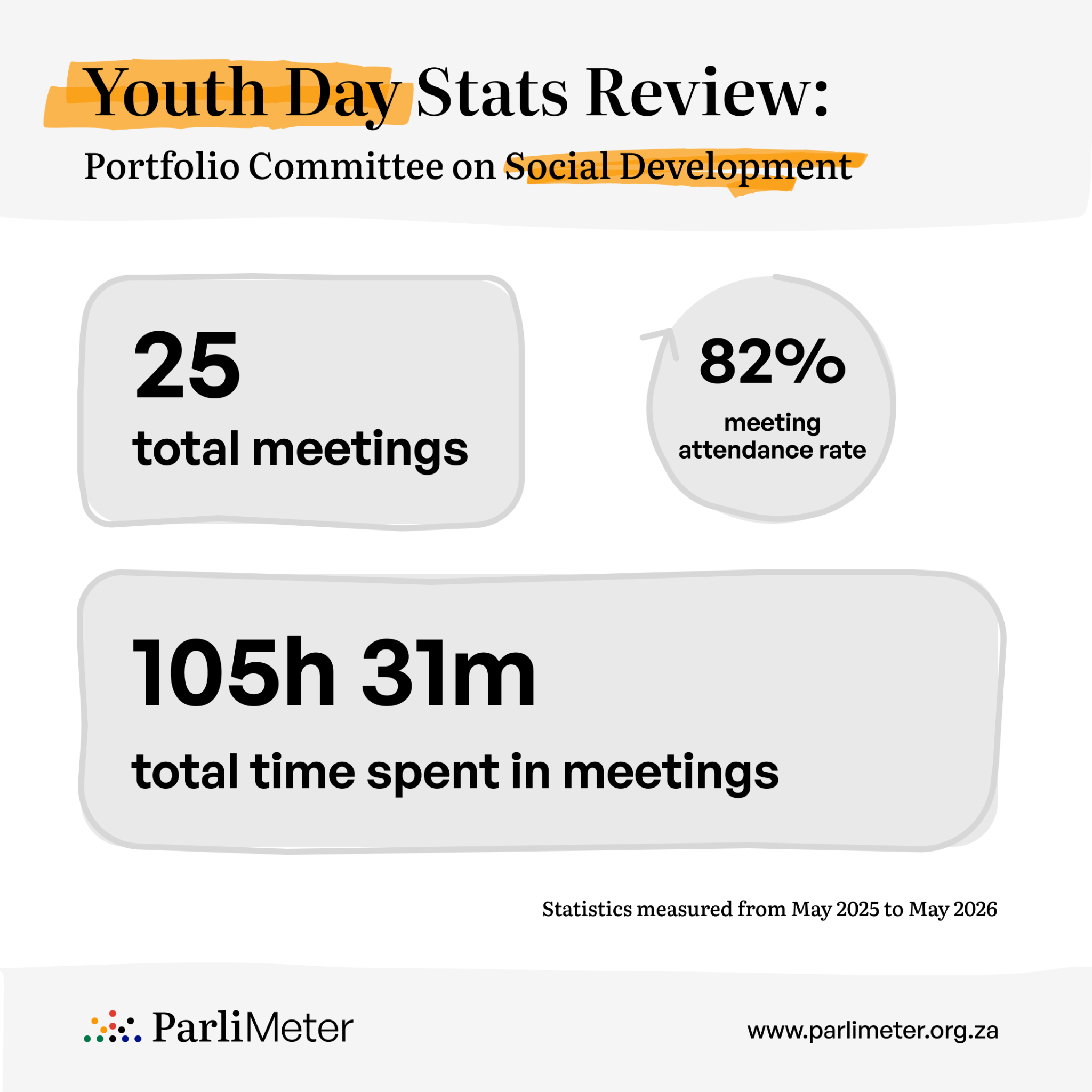
The Portfolio Committee on Social Development plays a significant role in the facilitation of child welfare and safety in South Africa, often partnering with other committees mentioned above. Following National Child Protection Week, the committee called attention to the crisis of child sexual abuse in South Africa, highlighting the fact that about 10 600 of the 43 000+ rape cases reported in 2023 involved children under the age of 18. Proposed interventions include public updates on child sexual abuse statistics, online reporting systems across government departments and stronger accountability measures for authoritative figures who fail to report abuse.
The committee also decried the recent proposed delay of the introduction of the Children’s Amendment Bill in Parliament to 31 March 2027, emphasising that prudent action is vital in the face of the escalating crisis of child abuse, gender-based violence and infant abandonment.
The committees and matters highlighted in this article are only a snapshot of everything that affects the youth today, be that within or outside Parliament.
Issues such as unemployment, safety, access to opportunity and mental wellbeing can feel very immediate, while civic processes can feel distant or difficult to access.
“I think many young people care deeply about the issues affecting their communities, but they do not always see clear pathways for participation,” says Adams. “Issues such as unemployment, safety, access to opportunity and mental wellbeing can feel very immediate, while civic processes can feel distant or difficult to access.”
Access to updated, easily understandable parliamentary data plays a crucial role in allowing us to stay informed and facilitate youth engagement with Parliament and politics, but encouraging meaningful youth participation in Parliament could encompass a broader approach.
“A youth-responsive institution would create more opportunities for participation, listening and collaboration, ensuring that young people are contributors to decisions rather than simply recipients of them,” says Adams.
Check out the ParliMeter dashboard today for more insights on how Parliament is approaching the matters that concern you and your community.
.png)
.png)


Work with us
We are looking for resource and data partners!
If you or your organisation would like to contribute or collaborate, please get in touch.
You might also like
From parliamentary data to public action: ParliMeter enters its next chapter
Women’s Month 2026: Are South Africa’s democratic institutions delivering on gender equality?